

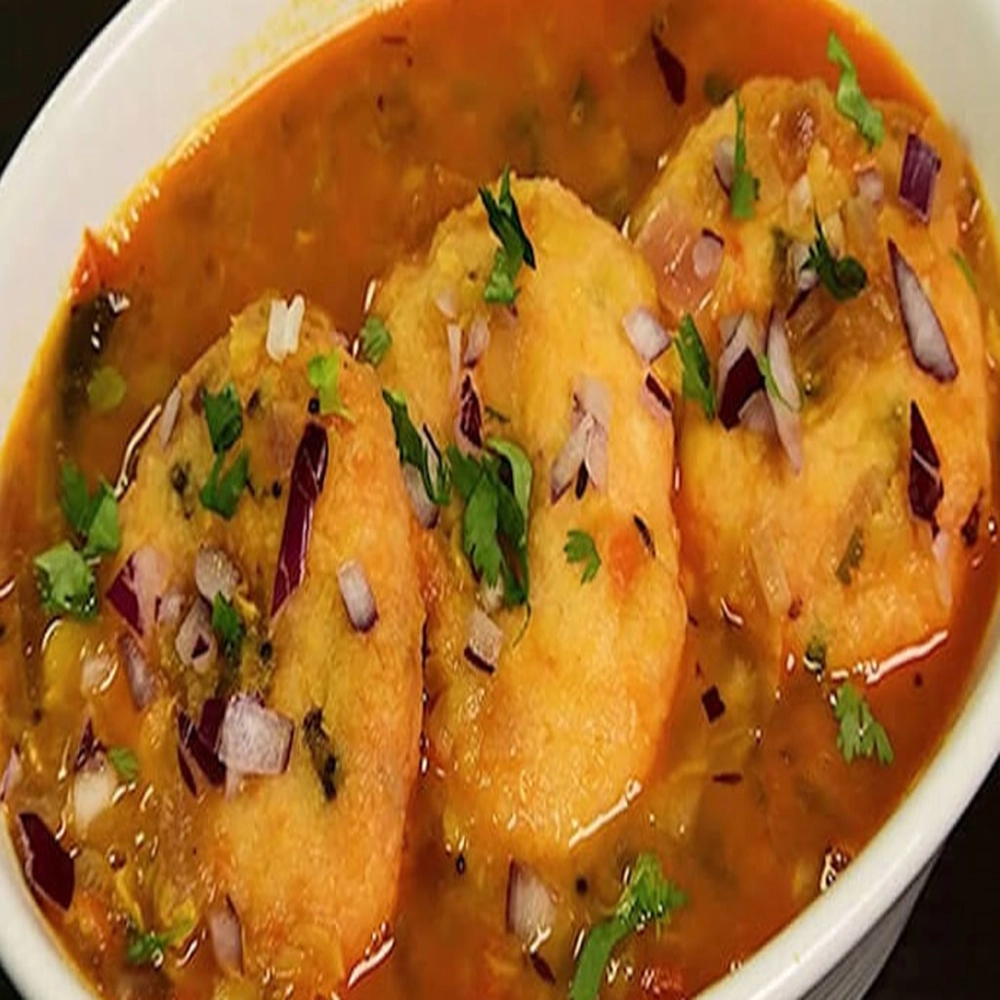
The Health Benefits of Traditional Indian Vegetarian Cooking | Sri Ananda Bhavan Narre Warren
Traditional Indian vegetarian cooking is more than just a style of food—it’s a lifestyle that nourishes the body and soul. Rooted in centuries of Ayurvedic wisdom, it brings together wholesome ingredients, aromatic spices, and balanced nutrition. Across India, families have passed down recipes that not only delight the taste buds but also promote long-term wellness. Let’s explore why this ancient way of eating continues to win hearts and support healthy living in the modern world.
A Perfect Balance of Nutrition and Flavour
Indian vegetarian dishes are designed to offer complete nourishment. Most meals combine grains, lentils, vegetables, and dairy, providing the body with essential proteins, vitamins, and minerals. For example, dal with rice or chapati delivers a perfect mix of carbohydrates and amino acids. Fresh seasonal vegetables add fiber and antioxidants, while yogurt or buttermilk helps digestion. The balance of these ingredients keeps energy levels steady throughout the day, making it easier to maintain a healthy body and mind.
Healing Power of Indian Spices
Spices play a magical role in traditional Indian vegetarian cooking. Turmeric, cumin, coriander, ginger, and garlic are used not just for taste but also for their healing properties. Turmeric, for instance, contains curcumin, known for its anti-inflammatory benefits. Cumin aids digestion and boosts metabolism, while ginger supports immunity. When combined in curries or soups, these spices work together to cleanse the system, fight infections, and improve overall vitality. This is why Indian food feels both comforting and refreshing at the same time.
Promotes Better Digestion and Gut Health
A healthy digestive system is the foundation of good health, and Indian vegetarian meals are built around this idea. The cooking methods like steaming, sautéing, and slow simmering help preserve nutrients while making food easier to digest. Ingredients such as lentils, beans, and fermented foods like idli or dosa batter promote the growth of healthy gut bacteria. Warm ghee and mild spices further soothe the stomach, preventing acidity and bloating. Over time, this kind of diet supports a stronger digestive system and better nutrient absorption.

Supports Heart and Weight Health
Traditional Indian vegetarian food is naturally low in unhealthy fats and rich in plant-based proteins. The use of fresh produce and limited oil helps maintain healthy cholesterol levels. Dishes made from lentils, chickpeas, and leafy greens provide filling fiber that supports weight management. Instead of processed ingredients, the focus is always on natural, home-cooked meals. When eaten mindfully, these meals can reduce the risk of heart disease, high blood pressure, and obesity making them an ideal choice for long-term well-being.
Mindful Eating for a Peaceful Life
Indian vegetarian cooking encourages mindfulness in eating. Each meal is seen as a way to nourish not only the body but also the spirit. Sitting down to eat freshly cooked food, often prepared with love and gratitude, strengthens emotional health. This connection with food creates a sense of calm and satisfaction that fast or processed foods rarely offer. The act of cooking and sharing meals at home also builds family bonds, making it an essential part of a joyful lifestyle.
Conclusion
Traditional Indian vegetarian cooking is a treasure trove of health, balance, and happiness. It blends taste with nutrition, ancient wisdom with modern needs, and flavour with mindfulness. Embracing this way of eating can lead to better health, higher energy, and a calmer mind. Experience the joy of authentic, wholesome vegetarian meals that celebrate life in every bite with Sri Ananda Bhavan, where tradition meets taste in the most nourishing way.


Leave a Comment
Comments (0)